

We offer association management packages to suit a wide variety of needs and budgets. Our service packages include financial & administrative, covenant administration, financial & covenant administration, and full operations management. At accounting for hoa HOA My Way, our team can accommodate either method for financial records.

Setting Up a Robust HOA Accounting System
- The general ledger must be updated more regularly (daily or weekly) since it is a record of all financial transactions.
- Under the accrual basis, all financial activities of your HOA are reported on the homeowners association’s financial statements.
- HOA management is a unique field in many ways, with its own regulatory needs and a defined relationship between the homeowners paying for services and the often-volunteer board members tasked with overseeing their funds.
- Imprest cash funds placed in the custody of the treasurer or other responsible homeowners thus serve to maintain control over cash without burdening the Board with involved procedures for small disbursements.
- Management companies that have effective accounting practices simply have an advantage over those that are still dealing with legacy processes.
There is no denying that accounting and finance management of a homeowners association (HOA) is no small task. Without following HOA accounting best practices, community association managers constantly juggle between balancing budgets and keeping financial records accurate, and between compliance with state/federal regulations. One mistake in accounting, and the trust among homeowners and board members erodes, often resulting in legal and financial consequences. Regardless of the accounting method chosen, there are certain financial statements that every HOA must maintain. These financial reports include the balance sheet, income statement (or profit and loss statement), and cash flow statement. Cash accounting dictates that you should record all revenues and expenses as money moves.
Best practices for HOA accounting
Transparency and communication foster a sense of community and engagement. Digital payment methods such as credit cards, debit cards, and ACH transfers are more convenient for homeowners. Automated payment reminders remind homeowners to pay in time and lessen the administrative work of board members. In time, this can lead to more regular revenue and fewer collection issues.
HOA accounting best practices for community association managers: How to keep your books in the black
Using this method, you record revenue as you earn them, regardless of when you received the money. In the same way, you report expenses as you incur them, paying no mind to when you disburse cash. All revenues of the association are reported when received, not when earned. Neither the Assessments Receivable or Prepaid Assessments accounts exists on the Balance Sheet when using the Cash Basis. Experience the difference with our professional financial services designed specifically for HOAs and condo associations.
HOA accounting: A guide for board members
To attract a new generation of homeowners, associations are revisioning communities beyond the usual tennis courts, business centers, and holiday parties. HOA board members are volunteer homeowners from within the community and are not paid. Since board members have a significant impact on the community’s well-being, they have an additional fiduciary responsibility to act in the interest of homeowners. But, for shared property (including shared walls and the pipes inside them), common areas, neighborhood signs, and amenities, someone needs to represent the collective interest. To that end, an HOA board is elected to represent homeowners, manage the budget, enforce rules and regulations, and oversee administrative tasks.
- This is a limited assurance report that guarantees there won’t be any material modification needed.
- With HOA My Way’s complete accounting services, your dedicated accountant processes your invoices and assigns a general ledger account.
- To better understand how each accounting method works, let’s break them down one by one below.
- Since the start of the pandemic in early 2020, Community Financials has been proactively researching, consulting with experts and finding solutions for issues that Covid-19 has brought to the HOA and Condo association landscape.
- The system is based on the theory that the resources used to acquire the assets must be provided by other entities or persons.
Previous PostHow HOA Communication Tools Connect Homeowners with Their Management Company
When dealing with financial information, it is best to be open and honest in as much detail as is appropriate. CommunityPro® is an easy way to make payments, access https://caninecuddlessupplyhouse.co/b2b-payments-trends-and-solutions-in-healthcare/ association documents, view account history, stay informed and more. You can get your association’s documents by accessing your account by clicking on CommunityPro® PORTAL. Sentry is an Accredited Management Organization® by the Institute of Real Estate Management, an assurance of unsurpassed integrity. We provide you with rigorous accounting systems, expert Community Managers and advanced technology designed to focus on what matters most to your association.
Due to the nature of this method, accrual accounting https://www.bookstime.com/ provides a more accurate financial picture. Because of this, it is the preferred basis of homeowner association accounting. Any accounting software for homeowners association should help with your annual budgeting and more.
- Some HOA boards feel it is easier to record expenses as they are paid instead of when they occurred while recognizing that revenues should be recorded when they are earned as with the accrual basis method.
- On the other hand, a useful cash forecast can be made for several months in the future for an association which demonstrates a regular pattern of activity.
- It’s also important to have a realistic budget to avoid making decisions based on the income that may not be collected.
- You will then receive the report, but it will come with “no assurance.” In this kind of report, the CPA cannot expressly make any guarantee as to the accuracy of your financials.
- Control is accomplished by division of responsibility so as to achieve independent verification of the cash transactions without duplication of effort.
#5 Conduct regular financial reviews and audits
By doing this preliminary preparation, you’ll have the time to make any necessary corrections, identify any inconsistencies in your books, and steer clear of mistakes that come with a time crunch. Supervising the operations of a community association is community association management. Some of its responsibilities include accounting, financial administration, homeowner communication, service request management, project management, rule creation, and enforcement. As a new manager, you need to familiarize yourself with essential property management techniques. Conducting an audit involves hiring a third party to review the association’s financials. Usually, the third party will be a certified public accountant (CPA) or other financial professional who will check that your records comply with basic accounting principles and verify their accuracy.

Right to Inspect and Copy Association Records
It should also outline the check numbers, chart of accounts numbers, and any related invoice numbers. The size of the fund should be sufficient to meet the normal need for small cash payments for a period of two or three weeks. As each cash payment is made, a voucher or receipt is placed in the fund in lieu of the cash removed. Implicit in all control systems of internal control is the concept that no one person should handle all phases of a given transaction from beginning to end. Expenses are classified in income statements to help the reader grasp important operating cost relationships.
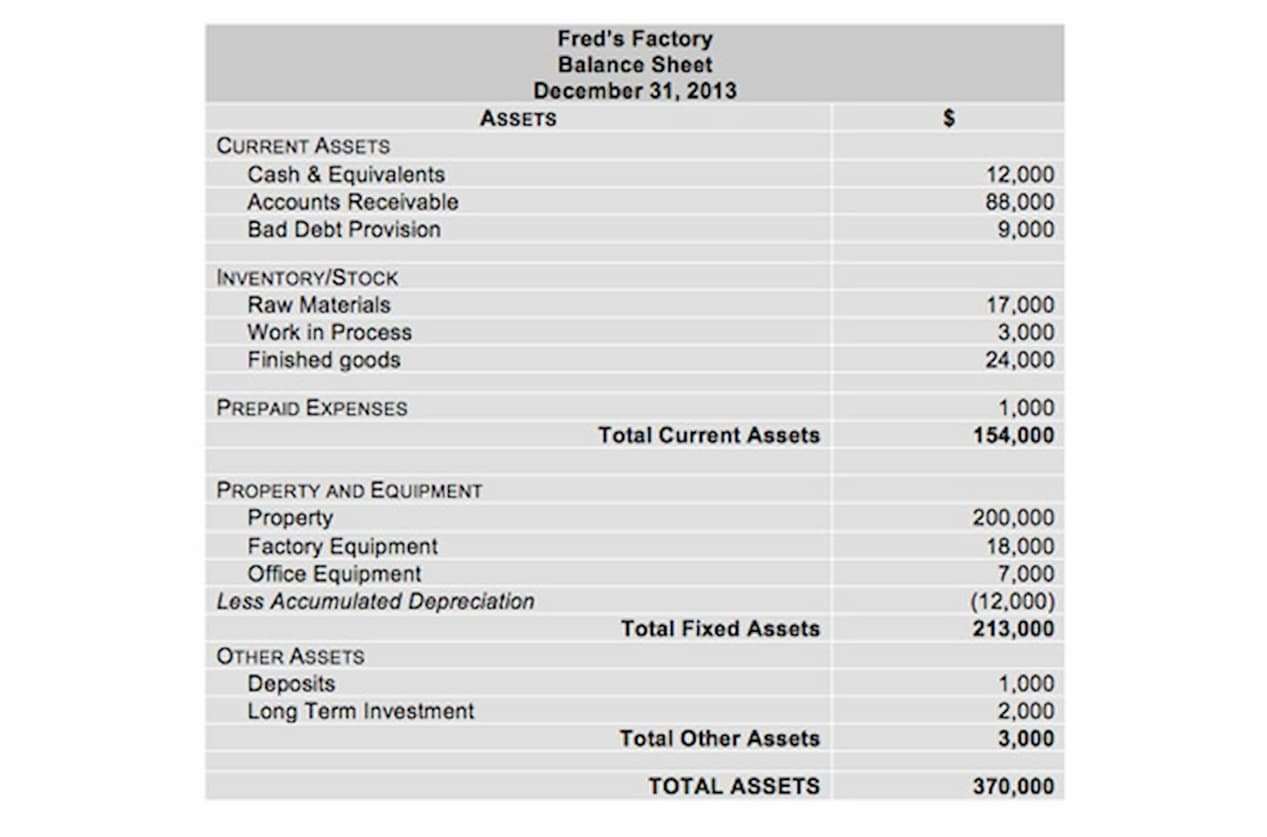
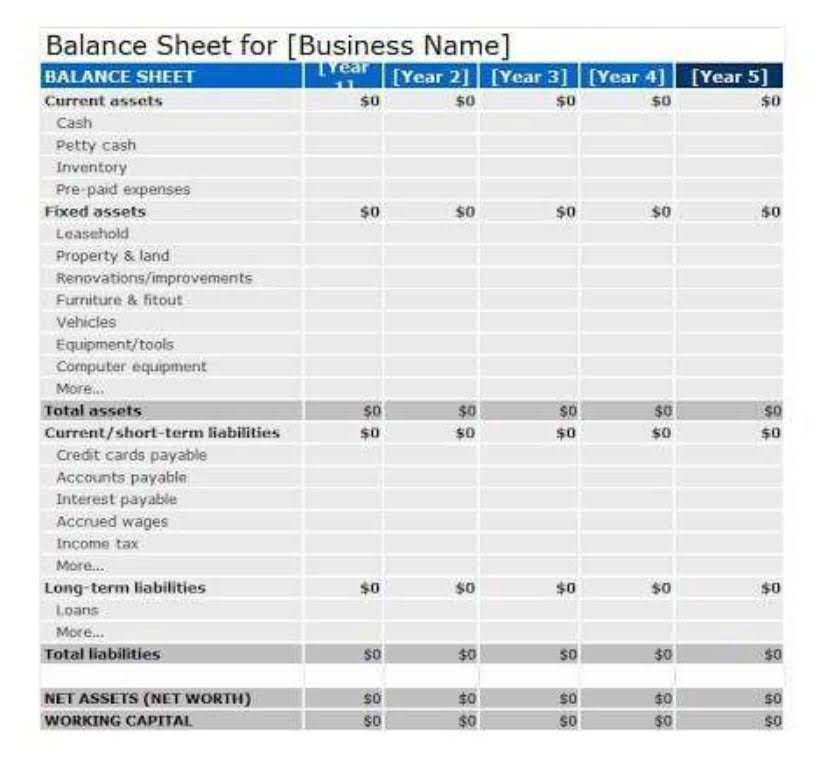
Cash is safeguarded by depositing it in banks and through the use of petty cash funds, which locate responsibility for relatively small sums of cash in a single person. The Balance Sheet reports the financial position of the association by disclosing the amount of cash the association has in the bank, cash in savings or other investments, the amount of dues uncollected and other receivables. The Balance Sheet reports the association’s liabilities or other financial obligations and sets forth the association’s allocation of reserves. One of the primary responsibilities of an HOA is to invest in projects that enhance the community’s value and livability. These projects can range from simple landscaping improvements to major infrastructure upgrades.
Commentaires récents