
Consulting with a healthcare provider or addiction specialist can aid in proper diagnosis and treatment. These studies allow us to ask specific questions about the connection between alcohol, HIV disease, and the immune system and how those connections may influence the transmission and progression of HIV disease. Reports on the effect of alcohol on viral load in patients on antiretroviral therapy also vary among studies. One study (Wu et al. 2011) found higher viral loads alcohol and immune system in HIV patients on ART who consume alcohol, whereas another study (Samet et al. 2007) did not. Patients who consume alcohol may have lower adherence to ART, resulting in higher levels of viremia (Baum et al. 2010).
Improving Immune Health Through Recovery
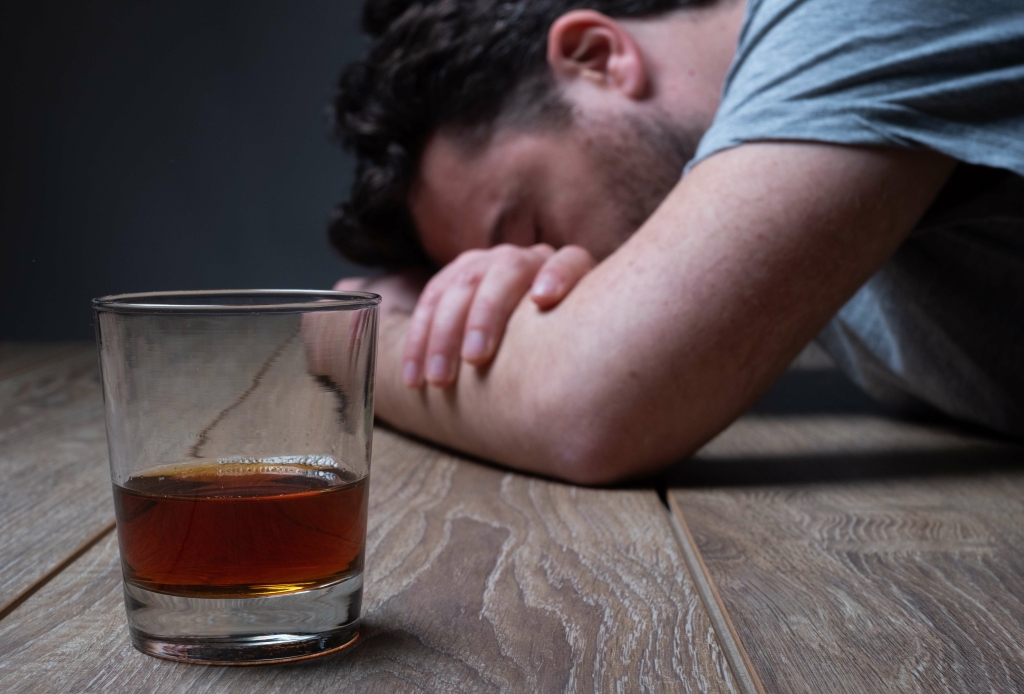
The overconsumption of alcohol can weaken your immune system, which will make you more susceptible to developing cancer. It is because many types Drug rehabilitation of cancer occur when cells grow out of control and multiply. Alcohol can damage DNA in the body, making it easier for cells to mutate and become cancerous. In summary, alcohol leads to an increase of inflammatory macrophages in the jejunum and to a decrease of macrophages in the colon.
Who is most likely to be affected by substance use and HIV?
Explore AIP‑friendly recipes and ideas that help start the year with energy and inflammation support. Instead of going at it alone, take your first steps toward a new life and contact the experts at Ardu Recovery Center today. We offer specialized detox and rehab programs to suit whatever your unique needs may be and to make recovery as comfortable and successful as possible. We are located in stunning Provo, Utah, and have a full range of recovery programs and addiction resources. If you’re addicted to alcohol or you fear you may be gulping down more than your immune system can bear, contact us.

Addictive Substances and Your Immune System
- Addressing the mental and emotional effects of drug addiction requires a comprehensive approach that focuses on both substance abuse treatment and mental health support.
- Alcohol’s effects induce hormonal disturbances that lead to profound and serious consequences at physiological and behavioral levels.
The production is usually a reward response for everyday actions, making it pleasurable to engage in activities like socializing, eating and exercising. Alcohol increases the permeability of lung tissue, allowing more toxins from cigarette smoke to be absorbed. This significantly increases the risk of chronic lung conditions like https://kedr.support/2021/04/06/does-drinking-alcohol-cause-inflammation-2/ COPD and lung cancer. This includes reduced lung capacity, impaired oxygen exchange, and difficulty breathing. While most alcohol is processed by the liver, a small amount is exhaled through the breath—this is the basis for breathalyzer tests used to measure blood alcohol concentration.
Commentaires récents